
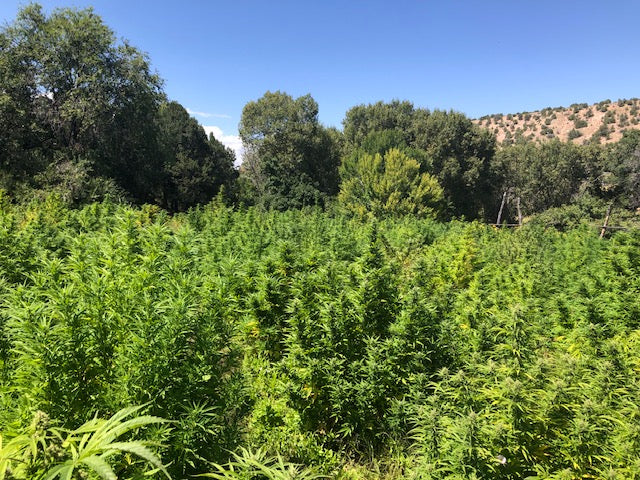
What Is Regenerative Agriculture, and Why Does It Matter for Your CBD?
If you've spent any time in the wellness aisle lately, you've probably seen the term "regenerative agriculture" popping up next to "organic" and "sustainably sourced." It sounds great, but what does it actually mean, and is it just the next marketing buzzword or something genuinely different?
Here's the short answer: regenerative agriculture isn't just about doing less harm to the land. It's about actively making it healthier. And when it comes to hemp, the plant behind every CBD product on the shelf, that distinction matters more than you might think.
Organic vs. Regenerative: What's the Difference?
Organic farming has a clear rulebook. No synthetic pesticides, no GMOs, no synthetic fertilizers. It's a "do no harm" standard, and it's an important one.
Regenerative agriculture starts where organic leaves off. Instead of just avoiding harmful inputs, regenerative practices are designed to actively rebuild the ecosystem a crop grows in. The goal isn't a neutral footprint. It's a positive one.
In practice, that means farmers are focused on:
- Rebuilding soil health rather than just maintaining it
- Increasing biodiversity both above and below the ground
- Capturing carbon in the soil instead of letting it escape into the atmosphere
- Improving water retention so the land needs less irrigation over time
A crop can be organic without being regenerative. But when the two work together, you get hemp that's not only free of synthetic chemicals, but grown in soil that's getting better every season.
The Core Practices Behind Regenerative Hemp Farming
Cover Cropping
Between growing seasons, regenerative farms plant cover crops like clover or rye instead of leaving soil bare. These crops protect topsoil from erosion, add organic matter back into the ground, and naturally suppress weeds without any chemical intervention.
Crop Rotation
Planting the same crop in the same soil year after year drains it of specific nutrients and invites pests that specialize in that plant. Rotating hemp with other crops breaks those cycles and lets the soil recover a broader range of nutrients naturally.
No-Till or Low-Till Farming
Traditional tilling disrupts the underground fungal networks and microbial life that keep soil healthy. Regenerative farms minimize tilling wherever possible, which helps soil structure stay intact and keeps carbon locked in the ground instead of released into the air.
Composting and Natural Fertilization
Rather than synthetic fertilizers, regenerative farms lean on compost, animal manure, and other natural soil amendments. This feeds the soil's microbiome directly instead of just feeding the plant, which builds long-term fertility instead of a short-term nutrient boost.
Why This Matters for the Hemp in Your CBD Oil
Hemp is what's known as a bioaccumulator, which means it's remarkably good at pulling whatever is in the soil, good or bad, up through its roots. That's actually one of the reasons hemp has historically been used to help clean up contaminated soil.
That same quality is exactly why the soil hemp is grown in matters so much. A plant grown in depleted, chemically treated soil is going to reflect that. A plant grown in rich, biologically active, regeneratively farmed soil has the opportunity to develop a fuller, more robust profile of cannabinoids and terpenes, the compounds that give full spectrum and broad spectrum CBD products their character.
In other words, healthy soil doesn't just matter for the planet. It's the foundation of what ends up in the bottle.
The Bigger Picture
Regenerative agriculture is also one of the more promising tools we have for addressing climate change. Healthy, biologically active soil can sequester significant amounts of atmospheric carbon, and practices like cover cropping and reduced tilling help prevent the erosion that's degraded so much farmland over the past century.
For an industry that's still relatively young, hemp farming has a real opportunity here. Because hemp grows quickly and requires fewer inputs than many traditional crops to begin with, it's particularly well suited to regenerative methods. Choosing to farm it that way is a chance to build something better from the ground up, literally.
Our Take
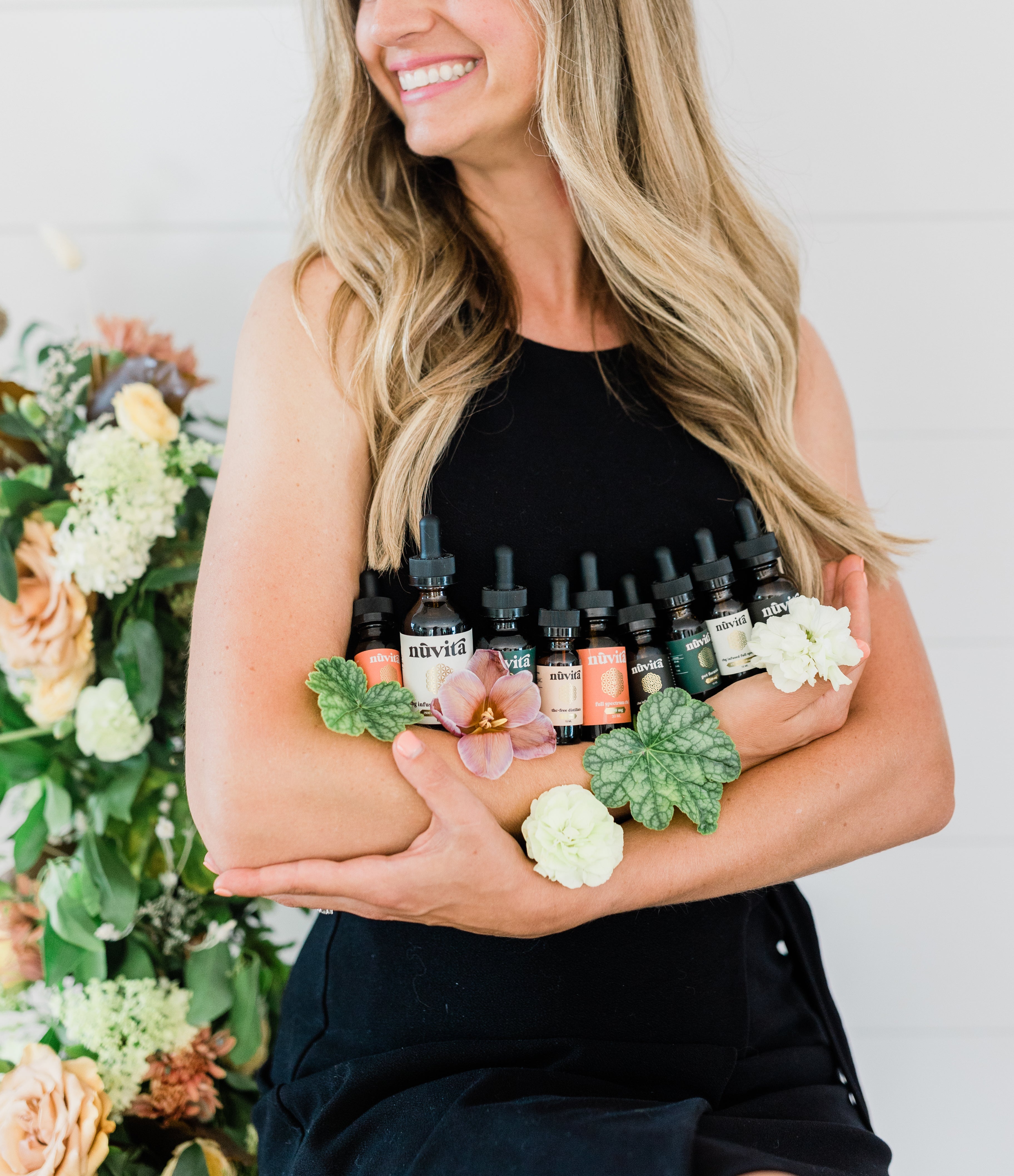
At Nuvita, our hemp is organically grown, and we're continually working to deepen our commitment to the kind of soil-first, regenerative practices that make a real difference over time. It's slower than conventional farming, and it takes more intention. But we think the plant, the planet, and the people using our products are worth it.
If you want to see what that commitment looks like in the bottle, taste the difference healthy soil makes.


Leave a comment
This site is protected by hCaptcha and the hCaptcha Privacy Policy and Terms of Service apply.